
Reliable SMT Driver Service for Safe and Comfortable Transportation

A good trip starts long before the car moves. It starts with a driver who arrives on time, understands the route, respects the passenger’s comfort, and treats the vehicle with care. That is the real value of a reliable driver service.
SMT Driver Service fits into a practical need that many people face every day. Some people need a driver for a few hours inside the city. Some need help with a long outstation trip. Others want an acting driver who can drive their own car when they are tired, busy, or not in a position to drive safely.
In each case, the goal is the same: safe, calm, and comfortable transportation without the stress of driving yourself.
A trusted driver service can make daily travel easier, family trips safer, and business or personal travel more predictable. It is not only about reaching a destination. It is about how the journey feels from start to finish.

A dependable driver service makes travel less stressful
Driving can feel simple on a short, familiar route. It becomes different when the day is crowded, traffic is heavy, the route is long, or the passenger has more important things to focus on.
A dependable driver service removes many small pressures from the day:
Finding the route
Managing traffic
Parking in crowded areas
Staying alert on long roads
Handling night travel
Coordinating pickup and drop-off
Keeping the trip comfortable for older adults, children, or guests
The benefit is not only convenience. It is also better attention to safety. A trained and responsible driver stays focused on the road, watches traffic behavior, and adjusts driving style to the situation.
For many people, the most valuable part is mental ease. They can sit back, make calls, check messages, rest, or simply travel without the constant pressure of steering through traffic.
Safe driving depends on habits, not luck
Safe transportation is built from repeated habits. A reliable driver does not wait for problems to appear. They prevent issues by staying alert and making steady decisions.
Good driving habits include:
Maintaining a safe distance
Avoiding sudden braking unless needed
Following traffic rules
Driving at a suitable speed
Checking mirrors often
Staying patient in traffic
Avoiding distractions
Respecting passenger comfort
These habits matter on every route. They matter even more when passengers include children, senior citizens, visitors, or people who do not know the area well.
A driver who is calm and consistent can change the feel of the entire journey. Instead of a tense ride filled with sharp turns and rushed decisions, the trip becomes smooth, predictable, and comfortable.
Comfort matters as much as punctuality
People often think of transportation in terms of time. Did the driver arrive on time? Did the passenger reach the destination on schedule?
Those are important questions, but they are not the only ones.
A comfortable driver service also pays attention to:
Smooth acceleration and braking
Sensible route choices
Clean and respectful communication
Proper stops during long trips
Passenger preferences when reasonable
Careful handling of the customer’s vehicle
Comfort is especially important during longer rides. A rushed or careless driver can make even a short ride unpleasant. A patient driver can make a long journey feel easier.
Reliable service means both things work together: punctuality and comfort.
SMT Driver Service supports different travel needs
Not every journey needs the same kind of driver support. A two-hour city errand is different from a full-day outstation trip. A late-night return from an event is different from a planned family journey.
That is why flexible driver options matter.
When a provider offers Driver Service, Acting Drivers, Outstation Drivers, Hourly Drivers, passengers can choose the right fit instead of paying for the wrong type of support.
The most useful categories usually include the following.
Service type | Best suited for | What to confirm before booking |
Acting driver | When someone needs a driver for their own car | Pickup time, drop location, car type, and expected duration |
Hourly driver | Short city trips, errands, appointments, or multiple stops | Minimum booking time, waiting time, and route plan |
Outstation driver | Long-distance travel outside the city | Trip duration, rest stops, return plan, and night driving needs |
Personal driver support | Regular or repeat travel needs | Schedule, duties, vehicle details, and replacement support if needed |
The right choice depends on the trip, the passenger, and the vehicle.
Acting drivers are useful when the car is yours
An acting driver is helpful when the passenger already has a vehicle but does not want to drive. This can happen for many reasons.
A person may be tired after work. A family may need help during a wedding or event. Someone may need a driver after a medical appointment. A group may want one responsible person to handle the car during a long day of travel.
In these cases, the driver uses the customer’s vehicle. That means trust becomes very important. The driver must respect the car, understand the controls, and drive with care.
Before the trip begins, it helps to share basic details:
Vehicle type
Fuel status
Pickup point
Destination
Parking instructions
Any special handling needs
Whether the trip includes highway travel
Good communication at the start prevents confusion later.
Hourly drivers help with flexible city travel
Hourly driver service works well when the schedule includes several stops. The trip may involve shopping, school pickup, appointments, family visits, airport support, or local errands.
Instead of booking separate rides for each stop, an hourly driver stays available for the agreed time. This can make the day smoother, especially when plans may shift.
Hourly support is useful when:
The passenger has multiple stops
Waiting time is expected
The route may change
Parking may take time
Comfort and continuity matter
The passenger prefers the same driver throughout the trip
For example, a family may need to visit a doctor, pick up medicine, stop at a relative’s home, and return. One driver for the full period can reduce stress and save time.
The key is to agree on the expected duration before the ride begins. If the trip extends longer than planned, the service should clearly explain how extra time is handled.
Outstation travel needs extra planning and care
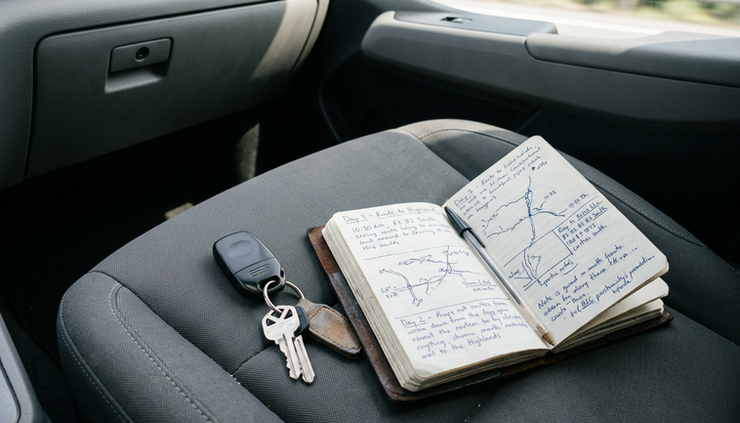
Outstation trips are different from regular city travel. The routes are longer, road conditions may change, and the driver needs more stamina. A reliable outstation driver must handle highways, toll roads, rest breaks, unfamiliar towns, and sometimes late returns.
This kind of travel calls for planning.
Before starting an outstation journey, the passenger and service provider should be clear about:
Pickup time
Destination and return plan
Expected travel hours
Route preferences
Breaks for food and rest
Luggage space
Toll and parking expectations
Whether the driver will need overnight stay arrangements
How delays will be handled
Taking a few minutes to confirm these details can prevent avoidable issues.
Long-distance safety starts before the trip
A safe outstation journey begins before the car leaves. The vehicle should be ready for the distance. The driver should understand the route and have enough rest. The passenger should share any timing needs in advance.
Basic vehicle checks can include:
Fuel level
Tire condition
Lights and indicators
Brake response
Windshield visibility
Required vehicle documents
Mobile charging access
Emergency contact details
The driver is not a substitute for proper vehicle maintenance, but a careful driver will notice obvious concerns and avoid starting a risky trip without discussion.
Rest breaks should be part of the plan
On long trips, breaks are not a delay. They are part of safe travel.
Driving for many hours without rest can reduce alertness. A responsible outstation driver should be able to take sensible breaks, especially during long highway runs or night travel.
Good break planning helps everyone. The driver stays alert. Passengers can stretch, use restrooms, eat, or check luggage. The trip becomes more comfortable and safer.
For families, break planning is even more important. Children, older adults, and passengers with health concerns may need a slower travel rhythm. A good driver respects that and adjusts within reason.
Night travel needs extra caution
Night driving can be calm, but it brings its own risks. Visibility is lower. Some roads may have poor lighting. Fatigue can set in. Other drivers may behave unpredictably.
When booking a driver for night travel, it helps to discuss:
Driver rest before the trip
Expected travel hours
Safe stopping points
Highway conditions
Passenger pickup and drop-off safety
Whether a return trip will happen the same night
A reliable service should never treat night travel as just another booking. It needs care, attention, and honest planning.
The right driver improves the whole passenger experience
A skilled driver does more than move a car. The driver shapes the passenger’s experience from the first call to the final drop.
Many people remember how a journey felt. Was the driver polite? Was the car handled carefully? Did the ride feel safe? Was there unnecessary rushing? Did the driver listen when directions changed?
Small behaviors make a big difference.
A reliable driver service is built on three simple things: safe driving, clear communication, and respect for the passenger’s time.
Communication should be simple and clear
Good communication does not need to be excessive. It should be clear, timely, and useful.
A driver should know:
Where to arrive
Whom to contact
What time to report
The planned route
Whether the passenger has special needs
Whether the trip has multiple stops
The passenger should know:
Driver arrival status
Any expected delay
How waiting time works
What is included in the booking
How to handle schedule changes
Most travel problems begin with unclear expectations. When pickup points, timing, stops, and charges are discussed in advance, the ride becomes easier for everyone.
Respect for privacy is part of good service
Many passengers use travel time to make calls, rest, or handle personal matters. A professional driving experience respects that space.
A good driver does not interrupt unnecessarily. They do not ask personal questions. They do not comment on private conversations. They focus on the road and respond when help is needed.
This matters for all passengers, from families to solo travelers to people attending personal appointments. A quiet, respectful ride often feels more comfortable than a talkative one.
The driver should adapt to the passenger’s needs
Some passengers prefer a direct route. Others need slower driving due to motion sickness. Some may request a stop. Some may be unfamiliar with the area and need reassurance.
A good driver listens and adapts, while still keeping safety first.
Reasonable passenger preferences may include:
Lower music volume or no music
Smooth driving style
A short stop
Assistance with route confirmation
Careful drop-off near an entrance
Extra patience for elderly passengers
The best driver services train for this kind of practical courtesy. It does not require grand gestures. It requires attention.

How to choose a reliable driver service
Choosing a driver service should not be rushed. The driver may handle your vehicle, carry your family, or support a long journey. A little care before booking is worthwhile.
Here are the main points to check.
Look for clear service options
A good service should explain what type of driver support is available. The needs for an acting driver, hourly driver, and outstation driver are not the same.
Clear service categories help customers choose correctly. They also reduce confusion about charges, waiting time, driver duty hours, and route expectations.
Before booking, ask yourself:
Do I need the driver for my own car?
Is this a local trip or outstation journey?
Will I need multiple stops?
Do I need the driver for a fixed number of hours?
Will the trip include night travel?
Is a return trip included?
The answers help identify the right booking type.
Confirm timing and availability early
Driver availability can vary by time, day, and trip type. Weekends, holidays, early mornings, late nights, and festival seasons may need earlier planning.
For an important journey, it is better to confirm in advance. This is especially true for airport trips, medical appointments, weddings, exams, and outstation travel.
Share the pickup time clearly. If reporting time is different from departure time, mention both.
For example, a family may want the driver to report at 6:30 a.m. so luggage can be loaded before a 7:00 a.m. departure. That detail matters.
Discuss charges before the ride
Reliable service should be transparent about charges. Since pricing can vary based on trip type, time, distance, waiting period, and outstation needs, it is best to confirm the cost before the trip begins.
Ask about:
Base charge
Hourly rate or duty period
Outstation charges
Waiting time
Night charges, if any
Driver food or accommodation for long trips, if applicable
Cancellation terms
Extra time or extra distance handling
Clear cost discussion protects both sides. It also makes the ride more comfortable because there is no surprise at the end.
Make sure the driver understands the vehicle
If the driver will drive your own car, share useful vehicle details. This is especially helpful if the car has automatic transmission, special start controls, unusual parking sensors, hand controls, or any known issue.
Before departure, the driver should be comfortable with:
Seat and mirror adjustment
Gear system
Brakes
Headlights
Wipers
Parking brake
Fuel type
Navigation support, if needed
A few minutes of setup can make the drive much smoother.
Choose professionalism over the lowest price
Low cost may seem appealing, but driver service should be judged on trust, safety, and reliability. A driver who arrives late, drives harshly, or communicates poorly can create more stress than value.
A dependable service may save time, reduce risk, and make the entire journey feel easier. That matters most when the trip involves family, long distance, night travel, or an important appointment.
Price matters, but it should not be the only factor.
Good driver service is built on trust
Trust is the center of any driver service. The passenger trusts the driver with time, safety, comfort, and sometimes a personal vehicle.
That trust is earned through consistent behavior.
A trustworthy driver service should focus on:
Timely reporting
Verified driver assignment when possible
Clear communication
Responsible driving
Passenger comfort
Respect for privacy
Honest handling of delays or changes
Careful vehicle use
The best experiences often feel simple. The driver arrives, confirms the route, drives safely, waits when needed, and completes the trip without drama.
That simplicity is the sign of a service working well.
Families need patient and careful drivers
Family travel can include children, older adults, luggage, food, medical items, or several stops. It often needs patience.
A family may need extra time to board. A child may need a short break. An older passenger may need a slower drop-off near the entrance. These details may seem small, but they can decide whether the journey feels stressful or comfortable.
A good driver understands that family trips do not always move like a strict schedule. Safety and patience matter.
Solo travelers need confidence and comfort
Solo passengers often care about punctuality, privacy, and a sense of security. A reliable driver should keep communication clear and professional.
For solo travel, it helps to share pickup and drop-off details with care. Choose well-lit pickup points when possible, especially at night. Confirm the driver’s arrival before stepping out.
The driver’s behavior should help the passenger feel calm, not pressured.
Regular users need consistent service
Some people need driver service often. This may include daily commutes, weekly errands, medical visits, or repeat local travel.
For regular use, consistency matters. The service should understand the pattern of travel, preferred timing, vehicle type, and any special needs.
A familiar system saves time. The passenger does not need to explain everything from the beginning every time. The service becomes part of the routine.

FAQ
What is an acting driver?
An acting driver is a driver who operates the customer’s own car for a specific trip or time period. This is useful when the car owner does not want to drive, feels tired, has an event to attend, or needs help with city or outstation travel.
When should I book an hourly driver?
An hourly driver is useful for local travel with multiple stops, waiting time, errands, appointments, or flexible schedules. It works well when a single point-to-point ride is not enough.
Are outstation drivers suitable for long-distance family trips?
Yes, outstation drivers can be suitable for long-distance family travel when the trip is planned well. Confirm the route, timing, rest breaks, return plan, and any overnight requirements before the journey begins.
What details should I share before booking a driver?
Share the pickup location, reporting time, destination, trip type, expected duration, vehicle type, number of stops, and any special passenger needs. For long trips, also discuss breaks, return timing, and night travel.
How can I make the ride safer and more comfortable?
Plan early, confirm the booking details, keep the vehicle ready, explain the route clearly, and allow reasonable breaks on long journeys. Choose a service that values safe driving and clear communication.
Safe transportation starts with the right driver
Reliable transportation is not only about having a car available. It is about having the right person behind the wheel.
SMT Driver Service offers a practical answer for people who want safer, smoother, and more comfortable travel without handling the driving themselves. Whether the need is a short city trip, an hourly booking, an acting driver for a personal vehicle, or an outstation journey, the right driver can make the experience calmer from beginning to end.
The best trips feel uneventful in the right way. The driver arrives as planned. The route is handled with care. The passenger feels comfortable. The vehicle is respected. The destination is reached safely.
That is what a reliable driver service should deliver, every time.


Comments